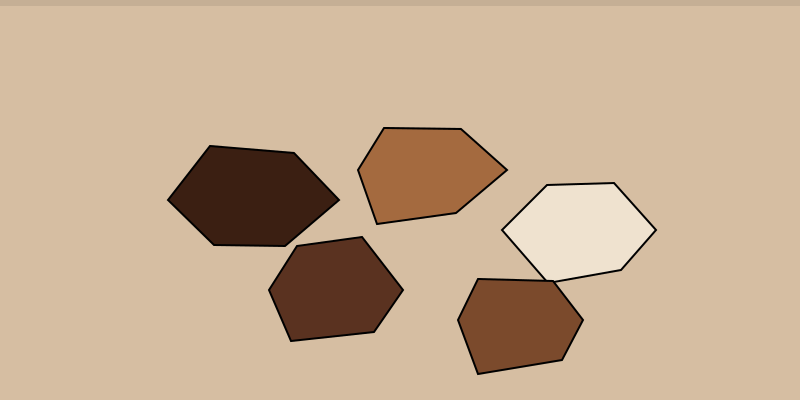
Walk down any chocolate aisle and you will see dark, milk, white and sometimes ruby chocolate, plus "baking chips," "candy melts" and "chocolate-flavored" coatings. These are not just marketing terms: they describe different recipes and, in many countries, legally defined products. This guide explains what each type contains and how to tell them apart.
The building blocks
Cacao beans are fermented, dried, roasted and ground into cocoa mass (also called chocolate liquor, though it contains no alcohol). Cocoa mass contains two components: cocoa solids, which carry most of the chocolate flavor and color, and cocoa butter, the natural fat that gives chocolate its melt. Chocolate types differ in how much of each they contain, and what is added.
Dark chocolate
Dark chocolate is made from cocoa mass, sugar and often extra cocoa butter, sometimes with an emulsifier such as lecithin and vanilla. It contains no milk solids, or only small amounts in some products. The cacao percentage on the label indicates the total share of cocoa ingredients; the rest is mostly sugar. Our article on chocolate percentages explains how to read it. Terms such as "semisweet" and "bittersweet" are common in the United States for dark chocolates used in baking, and they overlap considerably.
Milk chocolate
Milk chocolate adds milk solids, such as milk powder or crumb, to the cocoa mass, cocoa butter and sugar. This creates a softer, sweeter, creamier chocolate with less intense cocoa flavor. It typically contains a lower percentage of cocoa than dark chocolate. Minimum cocoa and milk requirements are set in law in many places and differ between countries, which is one reason milk chocolate tastes noticeably different from region to region. Higher-percentage "dark milk" chocolates have also become popular.
White chocolate
White chocolate contains cocoa butter, sugar and milk solids, but no cocoa solids, which is why it is ivory rather than brown and has no bitter cocoa flavor. In the United States, for example, white chocolate must contain at least 20% cocoa butter to be labeled as such. Good white chocolate tastes of milk, vanilla and cocoa butter; cheaper "white" coatings may replace cocoa butter with other fats and cannot legally be called white chocolate in many markets.
Ruby chocolate
Ruby chocolate is a newer type, introduced to the market in the late 2010s. It has a natural pink color and a fruity, slightly tart flavor. The manufacturer describes it as made from specially selected and processed cacao beans, with no added color or berry flavor; the exact process is proprietary. Its legal classification has varied by country.
Compound chocolate and coatings
"Compound" chocolate or coating replaces some or all of the cocoa butter with other vegetable fats. It melts and sets easily without tempering, which makes it convenient for dipping and decorating, but it usually has a waxier texture and less flavor. Products like these are often labeled "chocolate-flavored coating," "candy melts" or simply "coating" rather than chocolate. If you plan to temper, you need real chocolate with cocoa butter.
Couverture
Couverture is chocolate with a relatively high cocoa butter content, made to flow well when melted. Chocolatiers use it for coating, molding and dipping. It can be dark, milk or white.
How to read a label
- Check the ingredient list. Ingredients are listed by weight. Real chocolate lists cocoa mass or cocoa butter; coatings list other vegetable fats.
- Look at the percentage on dark and milk chocolate to gauge intensity and sweetness.
- Read the product name. "Chocolate" usually means it meets a legal standard; "chocolate-flavored" usually means it does not.
- Check allergen statements. Milk, soy and nut cross-contact are common.
Which to use when
- Dark: baking, ganache, tasting, and bark like those in our chocolate bark recipes.
- Milk: sweeter treats and fillings.
- White: pairing with fruit, colored decorations and creamy fillings.
- Compound: quick dipping and decoration when shine and snap matter less.
To compare types properly, try our step-by-step tasting method.
Chalkolat is an independent, educational site about chocolate. It does not sell chocolate or offer tastings. Information is general and not health or legal advice.
Updated October 17, 2026.